Pro Tips for Organizing with a Dormmate
How to organize with a complete stranger, a.k.a. your new dormmate.
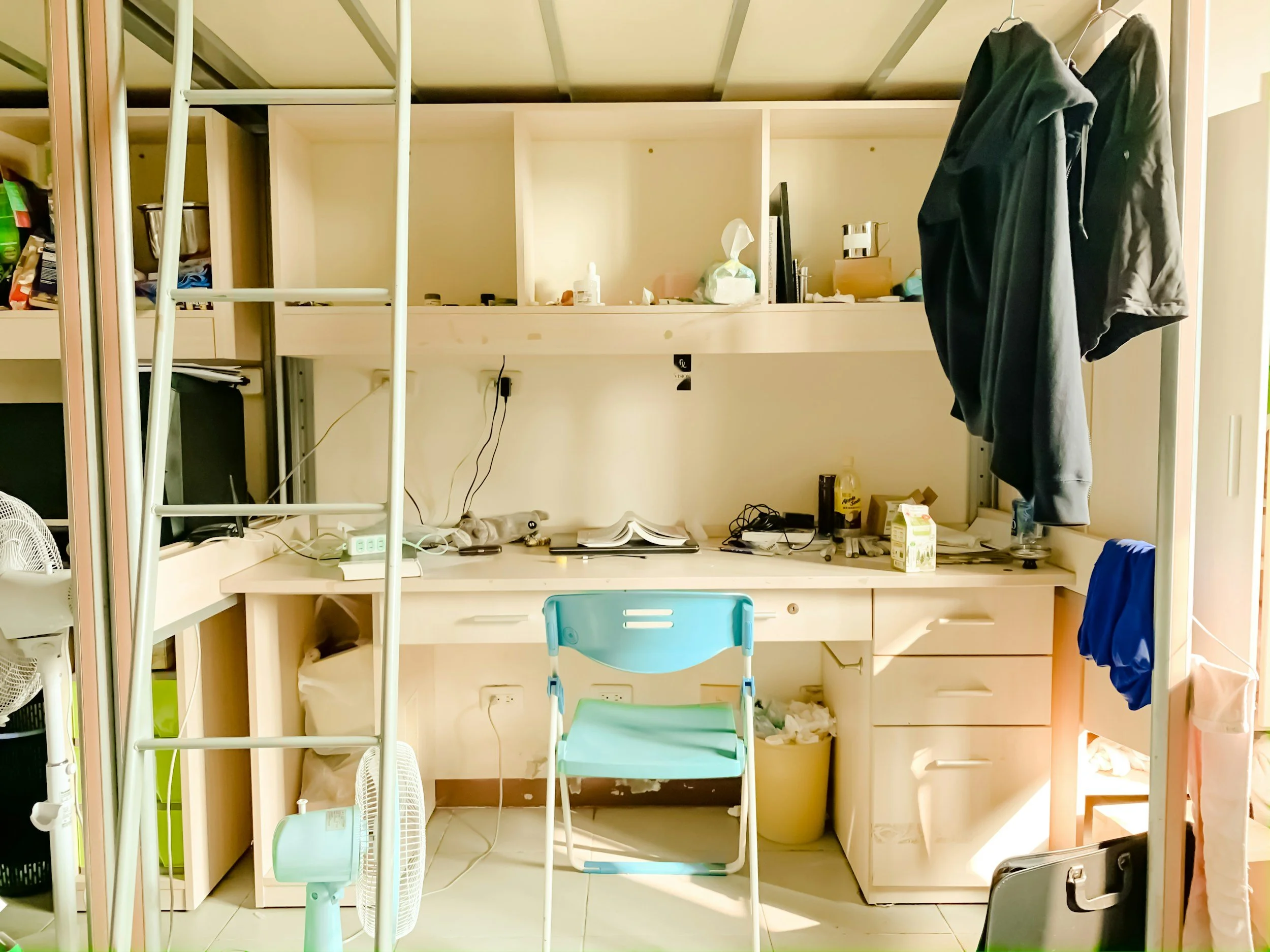
This time of year you’ll find all kinds of advice about which products to buy for your dorm room. But how do you go about organizing those products, with a complete stranger no less, who was raised with different tidying habits and customs than yours? Their brain will likely work differently than yours, so they’ll have different organizing needs.
Here are some pro tips for navigating the organizing process with your dormmate(s).
1) Avoiding Duplicates
Space is at a premium, so the first thing to do is communicate with your dormmate(s) beforehand, if possible, to see what everyone is bringing to avoid duplicates.
2) Avoiding Shared Property
Don’t split the cost of buying something with a dormmate. It makes it difficult when you move out to figure out what to do with things, especially if you’re on a tight budget and might not be able to buy out the other person’s half. It could also cause a rift if you both want the same thing.
3) Sharing Household Items
Decide what you will and won’t share, such as paper towels and other cleaning supplies, and work together to organize areas for shared items. Label where things go so each of you can easily keep it tidy. Be clear about the process for replenishing items, whether that’s taking turns or reimbursing for your portion each time.
4) Assigning Personal Areas
Try to group each person’s personal things in one area so they’re easier to find as well as to hold the person responsible for keeping it tidy. Label the spaces with the person’s name to make it clear. If you have a kitchenette or other shared living area, assign and label shelves or bins in the pantry and fridge. Do the same in the bathroom.
5) Organizing Without Your Dormmate
If for some reason they don’t want to participate in organizing, they need to at least have a conversation with you about where things should go. Be prepared with a proposed plan to facilitate the process. Don’t organize their things into the agreed upon spaces unless they’ve agreed you can. You shouldn’t be putting away their things anyway, but it might be the only way to get the space organized, so use your judgement about whether it’s worth your time and effort.
6) Managing Different Organizing Styles
Organizing isn’t done just one way. Everyone has different organizing styles. They generally break down into answering two questions: 1) Do you prefer things hidden or visible?, and 2) Do you prefer things in detailed categories so you can find them easily or do you prefer them in general categories so you can put them away easily?
“If you pressure someone into something that doesn’t work for how they work, it won’t work.”
In some cases, these aren’t preferences, they are needs. For instance, people with ADHD often need things to be visible or they forget about them. Don’t just assume someone is being inflexible when trying to navigate differences and find compromises. Be inquisitive so you find a system that works for both of you. If you pressure someone into something that doesn’t work for how they work, it won’t work.
If you and your dormmate(s) have different organizing styles, particularly around things being visible or not, there are ways to minimize the disruption to the other person. For instance, things could remain visible but contained to clear, labelled bins or organized on filing trays. But that might not work for how their brain works, so you could also try things like covering a desk with a sheet when it’s not being used. Keep the conversation going until you find a compromise you both can live with.
7) “Messy” Dormmates
Besides having different organizing styles, people have different levels of comfort with clutter or mess. You will need to communicate with each other what your needs are. You should try to come to a compromise but lean towards the person who wants the space cleaned more often. You may need to tidy up in shared spaces more often than you’d like when you live with someone out of respect for their needs.
It’s important to make expectations clear. You may want to set concrete schedules for when things should be done, such as creating a chore chart for cleaning shared spaces like the bathroom.
If someone is not pulling their weight, start with a conversation first to see what the problem is. I know that thing they do (or don’t do) has been nagging you, but try to approach the conversation from a position of caring and support for each other. They may be overwhelmed and could use a little help temporarily. Or they may never have been taught how to do something. That weaponized incompetence may be a lack of parental guidance instead.
Consider having a regular dormmate meeting to bring up any issues before they fester too long.
8) Dormmates Using Your Things
You may find yourself living with a roommate who struggles with the fact that not everything is shared like it was at home with their parents and siblings. First, have a conversation with them to make sure they understand what’s theirs and what’s shared and make sure spaces are clearly labeled with a person’s name or “shared”.
If that doesn’t work, have a marker at the ready and start labeling individual things, such as your food in the fridge. Alternatively, you can keep your favorite stuff hidden in your personal space. If it is food, keep it properly sealed to prevent critters.
9) Avoiding Theft
Even if you know and trust your dormmate, you will both likely have a lot of friends coming in and out on a regular basis. Consider leaving valuables with your family or in a safety deposit box. If you can’t, find furniture with hidden, locked drawers. Some dorms come with locked furniture. The dorm may also have a place where you can store valuables.
For medicine, get a prescription lockbox. You don’t want to have to try and get an early refill from the pharmacy, as it will likely require a police report for the stolen medication. If you decide against a medical lockbox, at least lock medications up during parties.
10) Clean Out If a Dormmate Leaves
It doesn’t happen often, but sometimes a dormmate will leave mid-semester. Whether due to health, financial difficulties, or dormmate conflicts. If it’s just you, it’ll be easy to go through the space and identify anything that needs to be tossed. If you have another dormmate(s), work together to identify what was left behind. Don’t just assume it’s the other person’s.
I had a roommate once who took up a large portion of the fridge and freezer, but my roommates and I didn’t realize how much of it was just hers. Luckily we were prompted to declutter the fridge when she left because she had left things behind all over. We found a ton of her food in the fridge. We freed up so much space for us to use and avoided finding rotting food a couple of weeks later.
Related Resources
Check out my organizing workbooks Organize Step by Step and Decorating Your Small Space Like a Pro.