4 Signs You’re Paying to Hold on to Your Stuff
The Hidden Costs of Not Letting Go
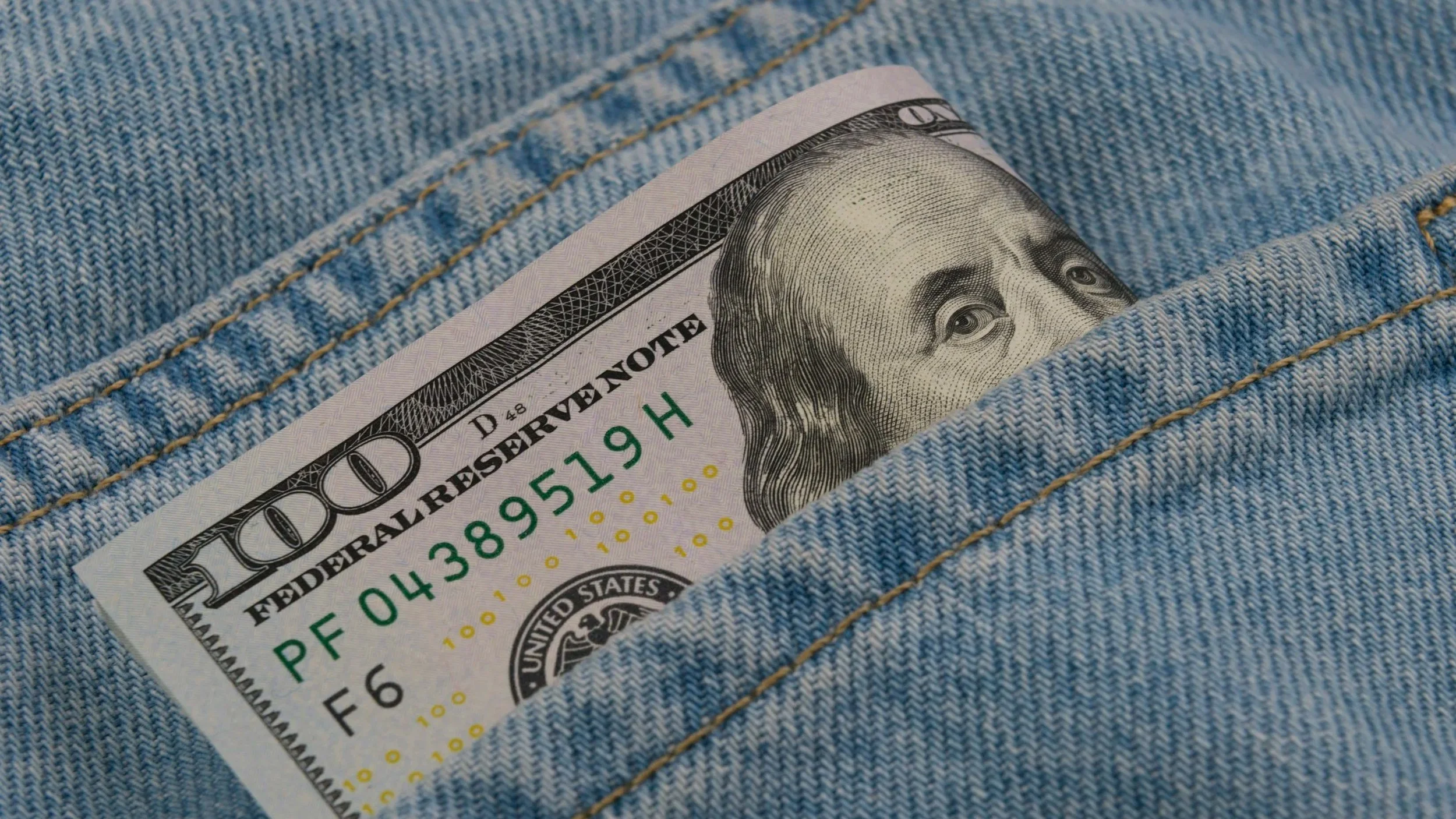
We all tend to hold on to things longer than we should. It’s important to take stock occasionally, so we let go of things we no longer need. Or get organized so we know what we have. Because ultimately, it can cost you money if you don’t. Below are 4 signs to look out for that it might be time to get organized and let go of some things.
(For the product recommendations, as an Amazon Associate, I earn from qualifying purchases you make through my Amazon links at no extra cost to you.)
You repurchase things you already own
One of the costs of not decluttering is people often forget they have things or don't feel like searching for the thing and just buy a new one. The Pixie Lost & Found Survey revealed Americans collectively spend $2.7 billion replacing items each year.
No more buying stuff you already own when you know what you have and where it is. So, declutter and get organized by creating a home for everything, and include labels so you know where things are.
One way to not run into this again is to shop your home before you go shopping. Check out the pantry and freezer or the back of your clothes closet before you shop.
Product recommendation
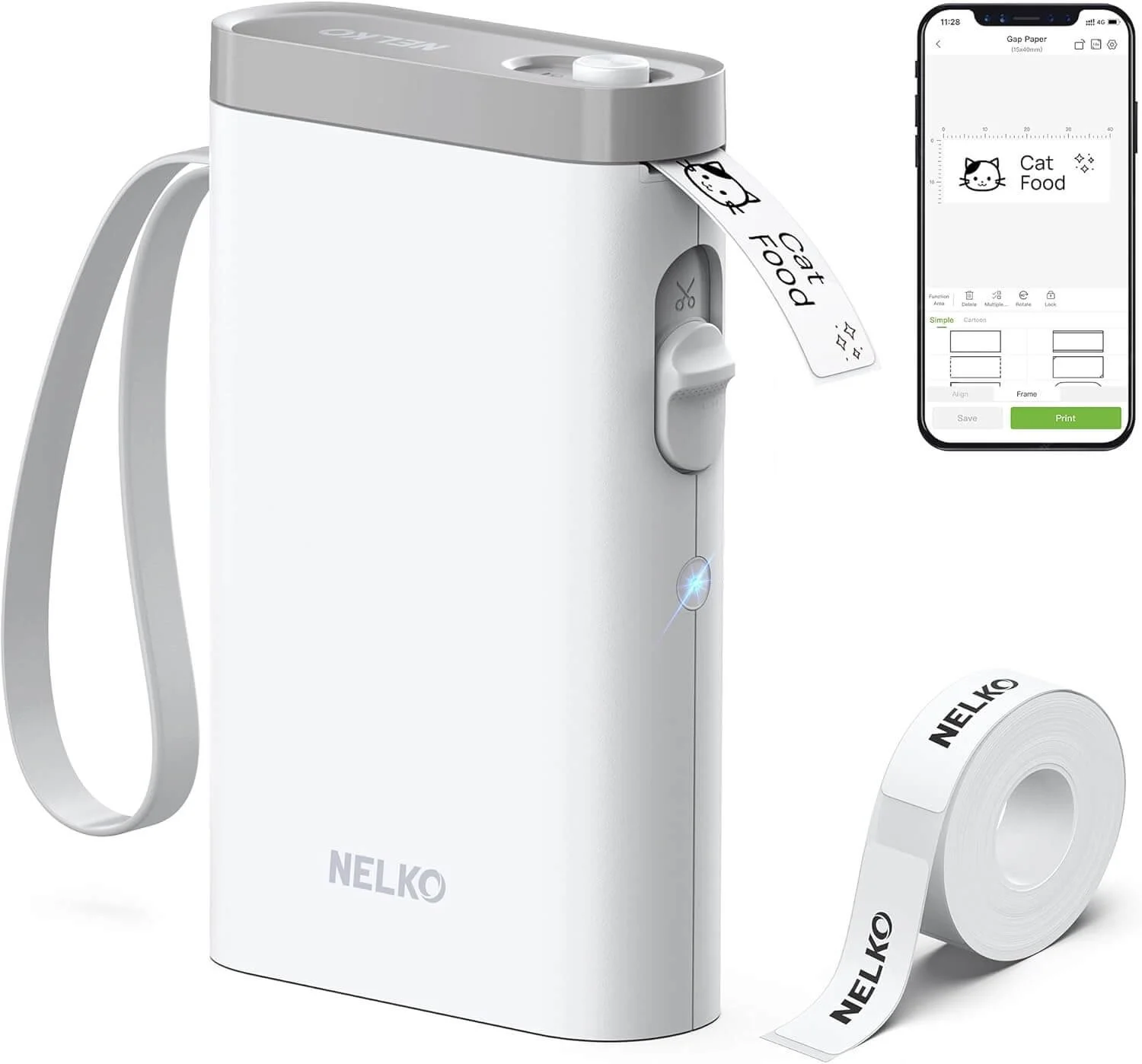
Label maker so you know where everything is.
You have a lot of unused items
Holding on to things a lot longer than we need to is a common problem for so many reasons -- worried you may need it, sentimental attachment, too busy, etc. But there's also a lot of quality unused belongings hiding in our homes.
For example, American women have an average of $550 worth of unworn clothes in their closets, according to a 10 Yetis study. When I go through closets with my clients, they often are thrilled to find items they forgot they had. Either it's buried in the clutter, or they needed permission from me to wear the "special" item that they were too afraid to wear because they didn't want to ruin it.
One way to make sure you're using everything is to put the new stuff in back and use from the front like grocery stores do, but use it in your clothes closet, linen closet, toiletries, etc. as well. For example, when you put clothes away after doing the laundry, hang them to the right and pull items to wear from the left and put folded items in back (or on the bottom if you're not a file folder).
Product recommendation
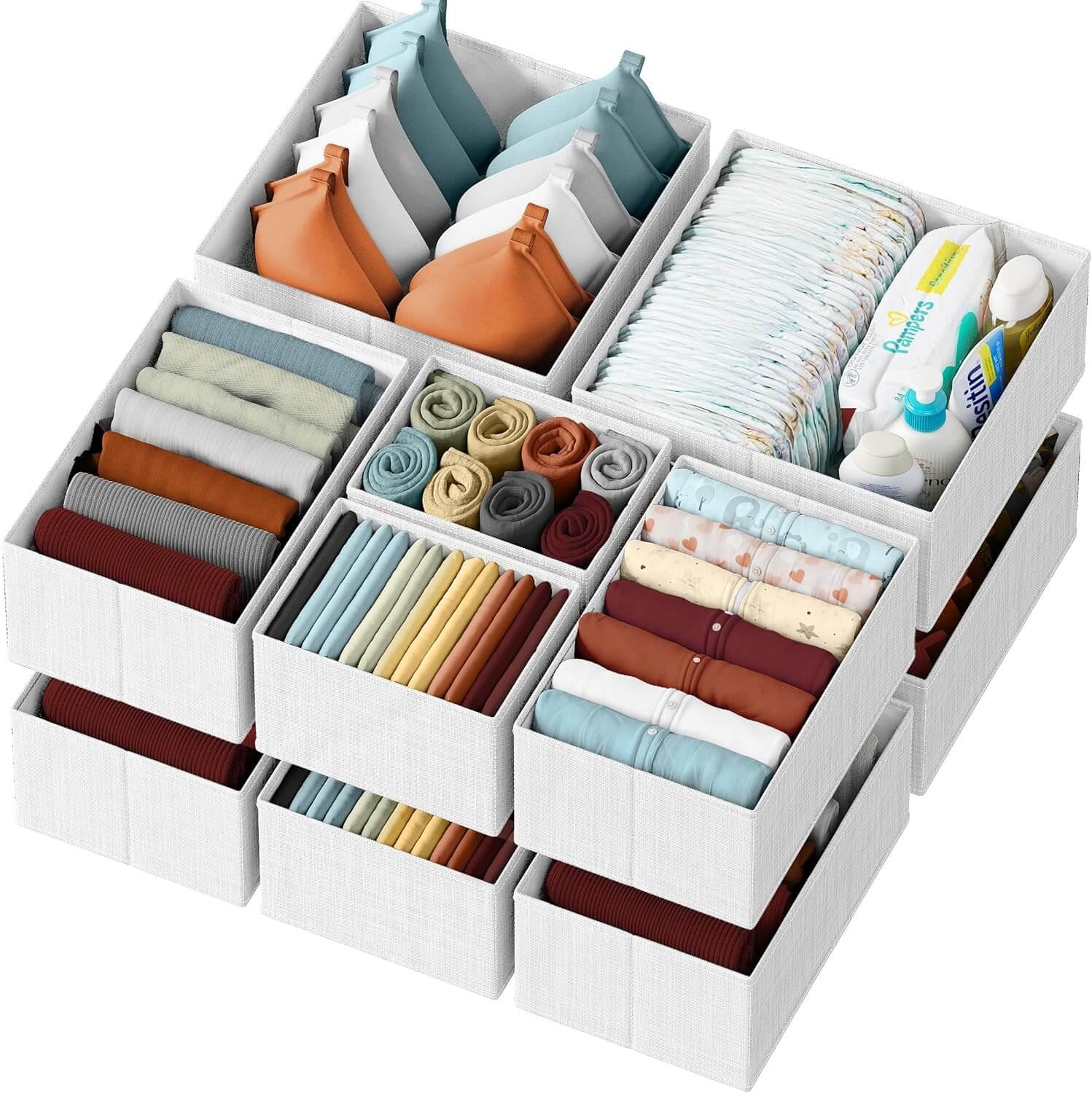
Keep your folded items upright and in order with clothes drawer organizers, so you can pull from the front.
You have a ton of single-purpose appliances you never use
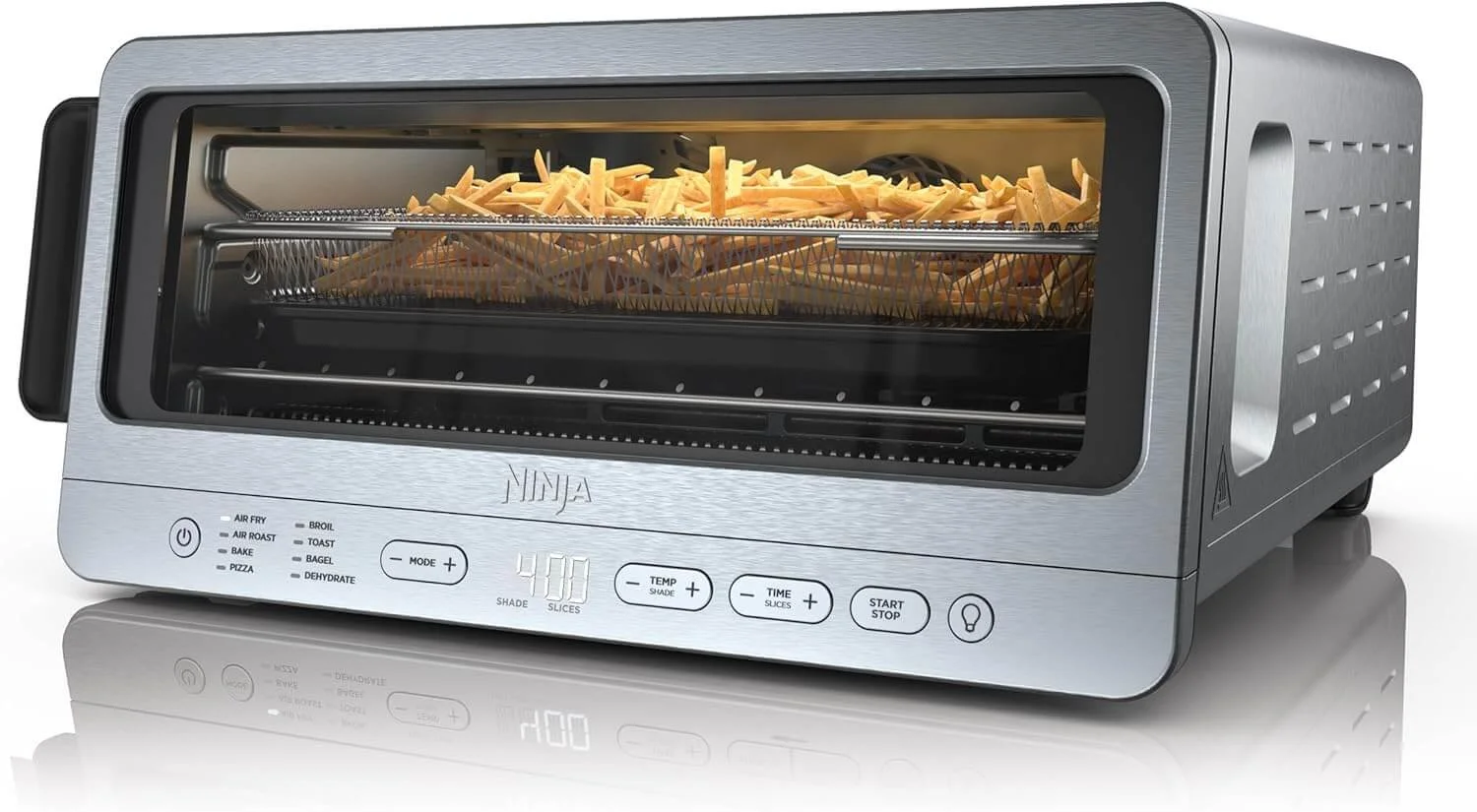
Keeping up with feeding your family can be exhausting, so it's no wonder that so many of us run out and buy the latest appliance that promises to make cooking easy only to be left on the shelf collecting dust. My advice is to try using a friend's first and get multi-function appliances that take up less room and have at least one function that you're already using, like toasting.
With kitchen counters that are less cluttered, you're also more likely to cook instead of ordering take out.
Product recommendation
Ninja 8 function air fryer, toaster oven combo
If you rent a storage unit
You're not alone. Self-storage facilities are a growing industry to the tune of $44 billion. But storage units are just full of delayed decisions, things we don't need. Most things would cost less to replace than the money you spend to keep them.
There are some exceptions, like if you are doing a renovation or staging your home for sale, but for the most part, either use it in your home or let it go.
Product recommendation
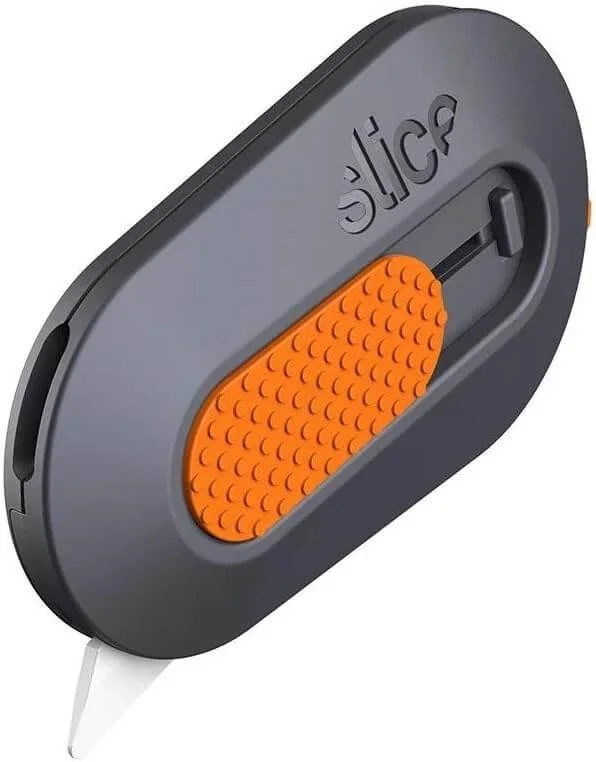
Box cutter to break down all the boxes you won't need anymore for storing all the things. I use this ceramic, retractable one.
The benefits are endless
There are so many more ways getting organized can help you. Check out the other ways getting organized can save you money and the many other benefits of an organized life.
Read the blog:
Being Organized Saves You Time, Money, Relationships, and More